PCOS & PCOD
PCOS & PCOD treatment in Faridabad
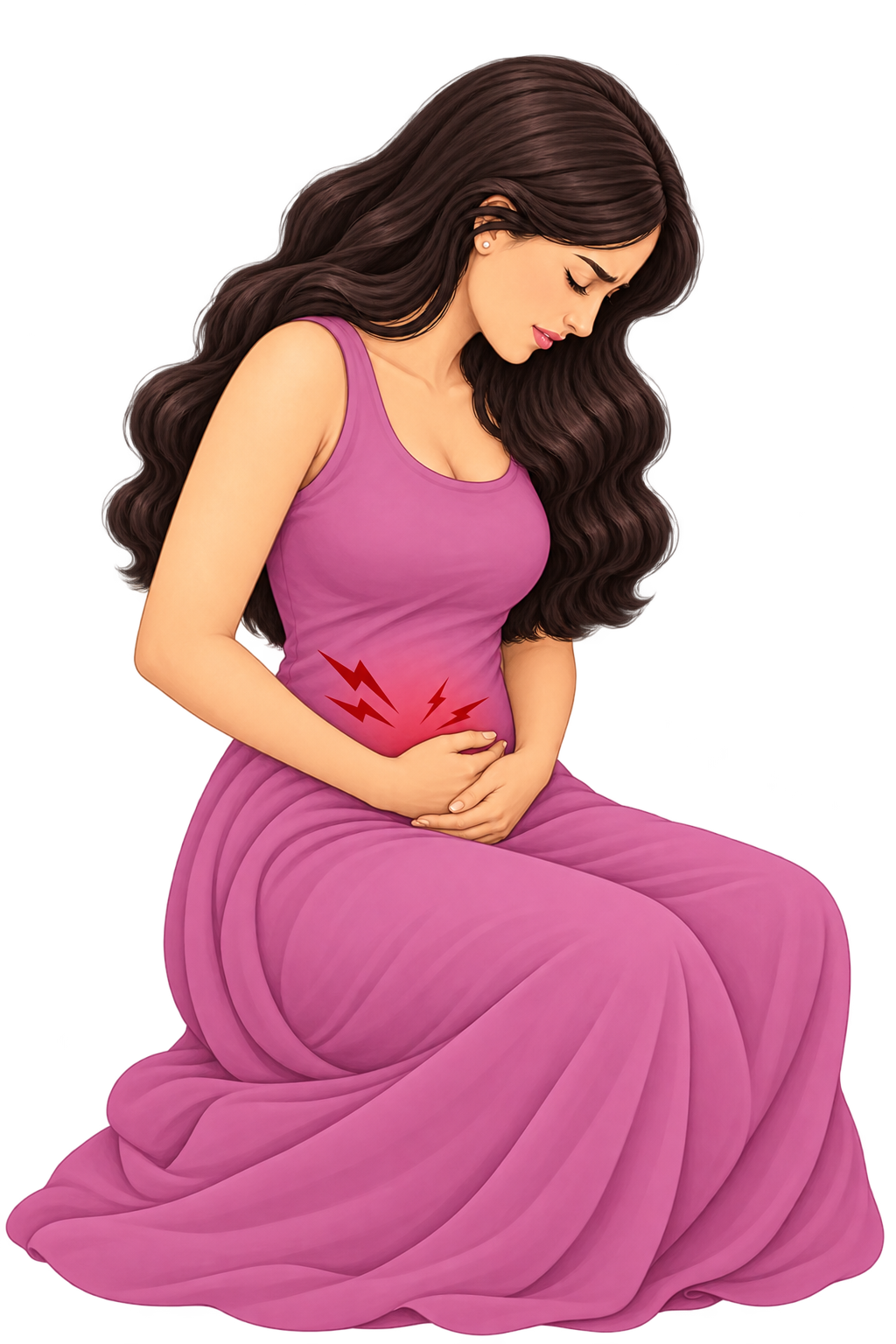
PCOD vs PCOS
PCOD is the term commonly used in India for polycystic ovarian disease, while PCOS (polycystic ovary syndrome) is the medical term for the hormonal and metabolic condition — in practice the two are used interchangeably. A diagnosis needs at least two of three features: irregular or absent ovulation, signs of high androgens (acne, excess hair, or hair thinning) and polycystic-appearing ovaries on ultrasound, after other causes are excluded.
Common symptoms
Irregular, infrequent or missed periods, acne, excess facial or body hair, scalp hair thinning, weight gain, darkened skin patches, and difficulty conceiving. Symptoms vary widely between women, which is why evaluation is individual.
Diagnosis & management
Diagnosis is through your history, examination, blood tests (hormones, blood sugar, thyroid and others as needed) and a pelvic ultrasound. Management is tailored to your goals and may include lifestyle changes, medicines to regulate cycles, treatment for acne or hair growth, management of insulin resistance, and fertility treatment if you are trying to conceive.
Why ongoing care matters
Very infrequent periods can let the womb lining build up over time, and PCOS is linked with a higher long-term risk of type 2 diabetes and raised cholesterol — regular follow-up protects your long-term health, not just your cycle.
Faridabad patients
Dr. Bhatia sees PCOS/PCOD patients from NIT, Old Faridabad, Ballabgarh, Greater Faridabad, Neharpar and nearby sectors at Insure Hospital; see areas we serve.
Medically reviewed by Dr. Shagun Bhatia (MBBS, MS Obstetrics & Gynaecology, Fellowship in Reproductive Medicine) · Last updated . This page is general information and does not replace a consultation; please see a doctor for advice about your own health.
PCOS & PCOD: your questions answered
What is the difference between PCOD and PCOS?
PCOD is the term commonly used in India for polycystic ovarian disease, while PCOS (polycystic ovary syndrome) is the medical term for the hormonal and metabolic condition. In practice the two are often used interchangeably. A diagnosis needs at least two of three features: irregular or absent ovulation, signs of high androgens (such as acne, excess hair or hair thinning), and polycystic-appearing ovaries on ultrasound, after other causes are excluded.
What are the symptoms of PCOS?
Irregular, infrequent or missed periods, acne, excess facial or body hair, scalp hair thinning, weight gain, darkened skin patches and difficulty conceiving. Symptoms vary widely between women.
How is PCOS diagnosed?
Through your history and examination, blood tests (hormones, blood sugar, thyroid and others as needed) and a pelvic ultrasound.
Can PCOS be cured?
There is no cure, but it can be managed well. Treatment is tailored to your goals and may include lifestyle changes, medicines to regulate cycles, treatment for acne or hair growth, management of insulin resistance, and fertility treatment if you are trying to conceive.
Do diet and exercise really help PCOS?
Yes. Regular exercise and a balanced diet improve insulin resistance and cycle regularity, and if you are overweight even modest weight loss can help. Dr. Bhatia will advise what suits you.
Why is it important to treat irregular periods in PCOS?
Very infrequent periods can let the womb lining build up over time, and PCOS is linked with a higher risk of type 2 diabetes and raised cholesterol. Regular follow-up protects your long-term health.
More women's health care in Faridabad
Pregnancy care & delivery
Antenatal checkups, scans, high-risk monitoring, delivery planning and postnatal care in Faridabad.
Read morePainless delivery
Epidural-assisted labour: how it works, who it suits and what to ask before you decide.
Read moreIVF & infertility consultation
Fertility evaluation and clear next steps from a fellowship-trained specialist.
Read moreFibroids & laparoscopic surgery
Uterus-preserving options and minimally invasive procedures.
Read moreGet your PCOS/PCOD symptoms evaluated in Faridabad
Appointments are confirmed over the phone. The hospital is open 24 hours for maternity emergencies.
3D/43, BP, Insure Hospital, 2/3 Dividing Rd, Block D, New Industrial Township 3, Faridabad, Haryana 121001 Open 24 hours